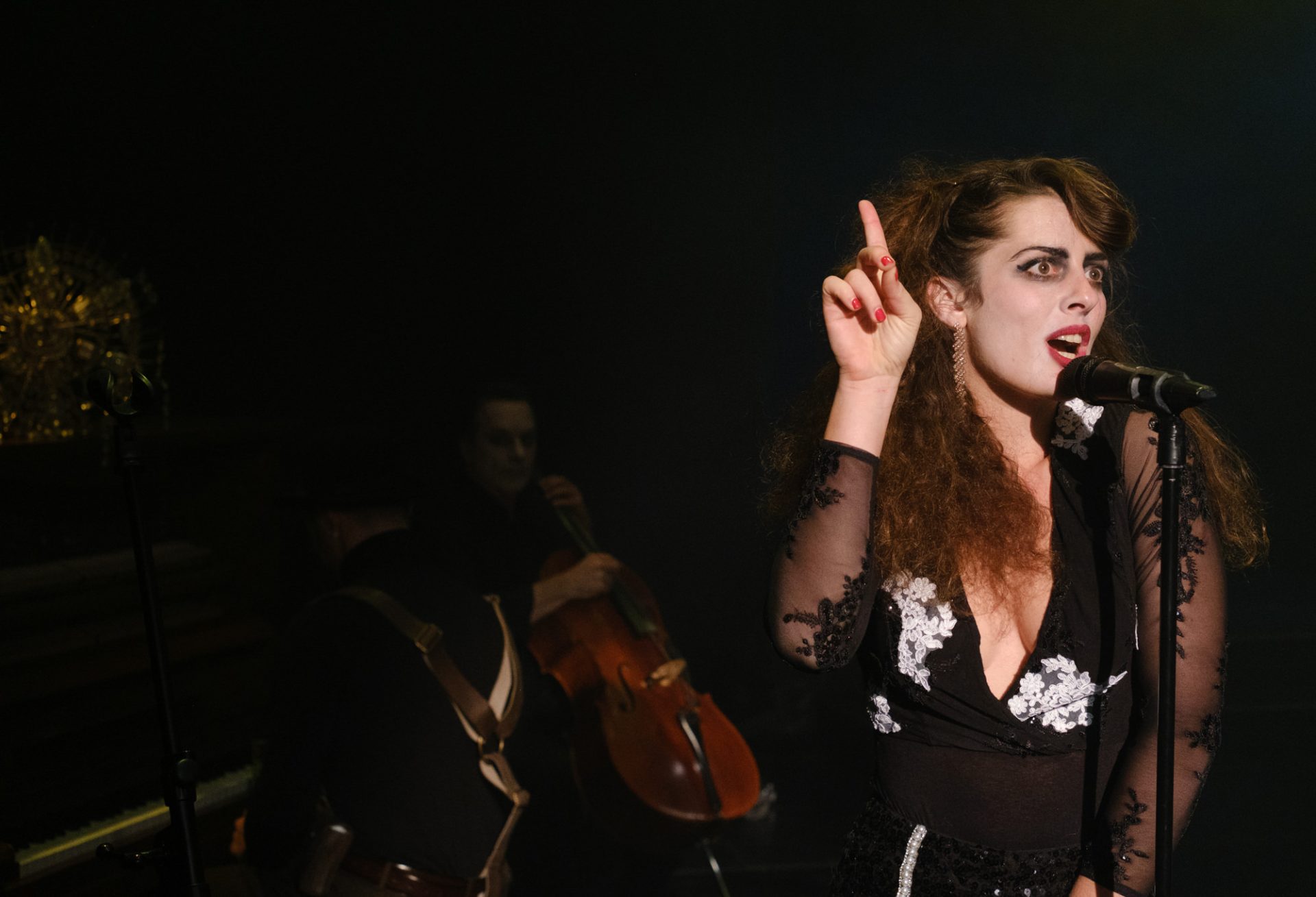
ELECTRA
National Theatre Sarajevo
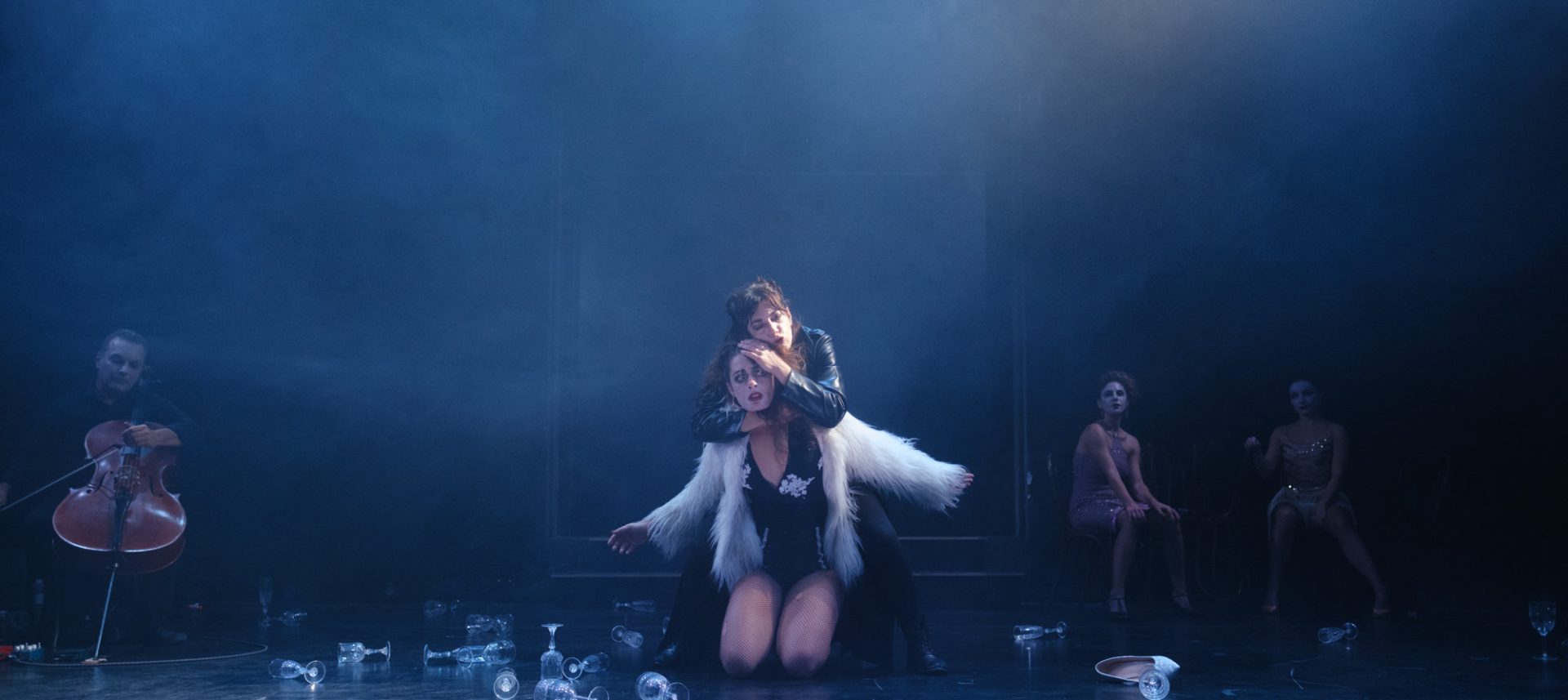
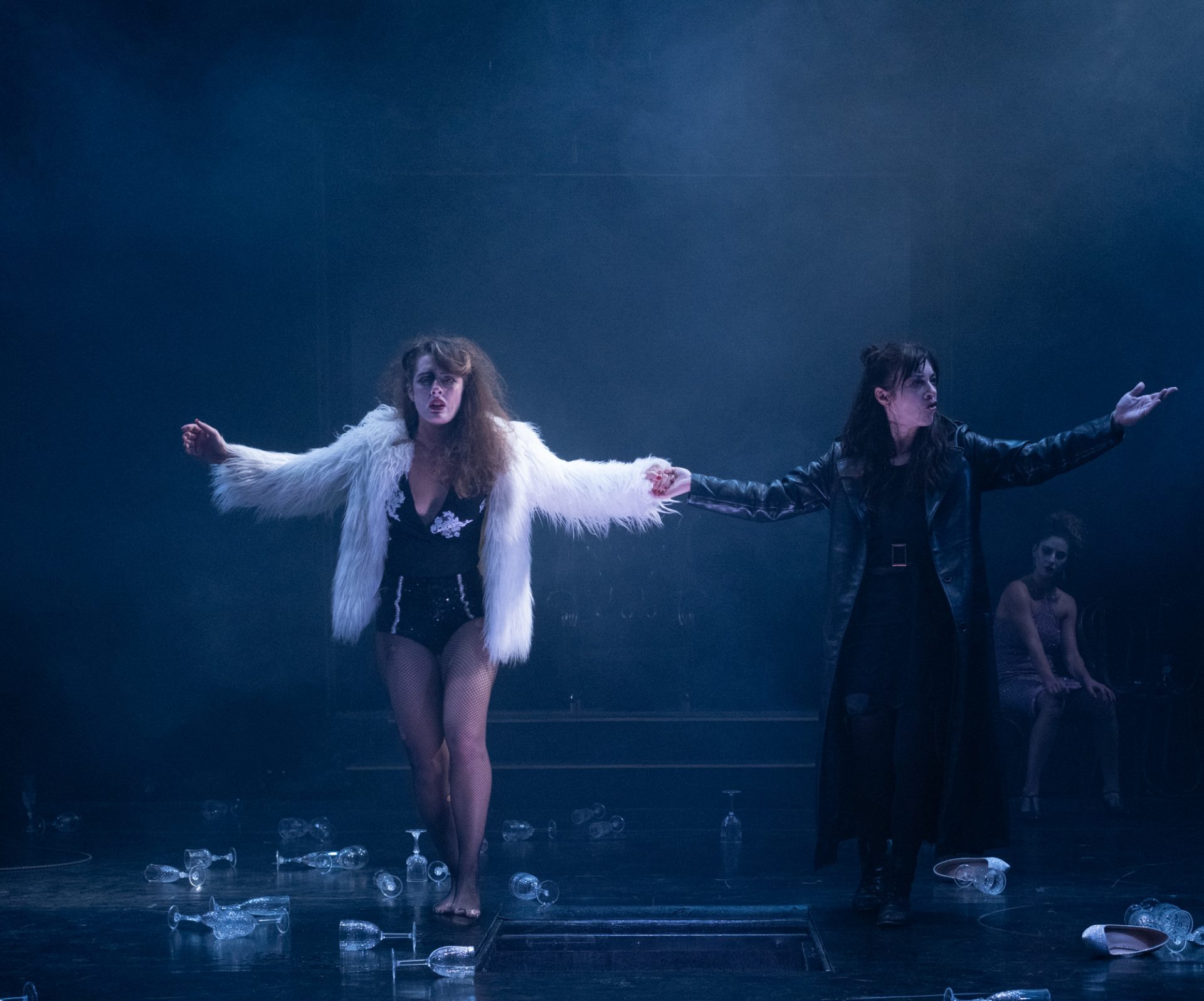
Sophocles’ Electra, directed by Dimitris Tarlow, following its highly successful presentation at the ancient theatre of Epidaurus and throughout Greece and Cyprus, is being reapproached for the indoor theatre and will be staged at the POREIA Theatre with the unique Loukia Michalopoulou in the title role and accompanied by a renewed cast.
The challenges and possibilities of tragedy in indoor theatre constitute the field of research and, at the same time, the proposal of the Poreia Theatre and its artistic director Dimitris Tarlow for the winter season, using a play that has become terribly relevant in a world plagued by totalitarianism and social injustice, at a time when violence and revenge are often portrayed as “necessary evil.” Far from being merely a tale of vengeance, this tragedy becomes a mirror that reflects human dilemmas, of the eternal conflict between justice and morality.
By removing the “safe” distance imposed by large outdoor theatres and the temporary summer slump, the performance invites the audience to confront critical questions: What does it mean to “restore justice”? What is the duty of responsibility? Can one live with the consequences of violence? Is violence an inevitable solution? Will revenge end the cycle of bloodshed? Is redemption ever truly possible? And, ultimately, what is the meaning of resistance when all seems lost?
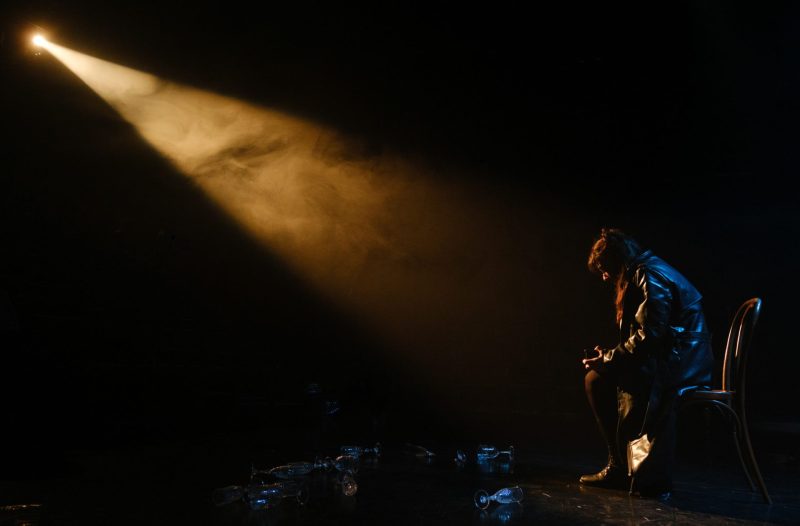
Electra, a member of the cursed House of Atreus, a woman trapped in this cycle of blood and horror, is more than just a tragic figure, as she embodies the dilemma between the need for justice and the moral imperative to avoid violence. Therefore, she is not merely a tragic creature of fate, but a creation of her own volition, a character wholeheartedly devoted to the cause of justice. Is she a victim of her obsession with revenge or a voice of resistance against the brutality of power? And why, when the palace is finally freed from its tyrants, does she not step inside? Does she simply remain outside the House she hates so much, or does she refuse to become part of the system she fought so vehemently against? Is she still a captive of the extreme emotions that defined her—the grief for her father’s death, the hatred towards her mother, the longing for her lost brother? One thing is certain: her passion does not subside even after the much-sought catharsis is accomplished.
In Electra, the poet cater to answers, the gods are absent, the oracles merely coincide with the human decisions, conscience plays a second role, the Furies are yet to appear. Nevertheless, the price for the survivors is heavy. This price of choice and the human need for catharsis at any cost invites us to reflect on Sophocles’ Electra. After all, Sophocles will not grace us with a sequel, he will not write a trilogy: his work ends here – within these 1,510 verses of admirable symmetry and simplicity, each of the doubts and questions he has raised will find their resolution.
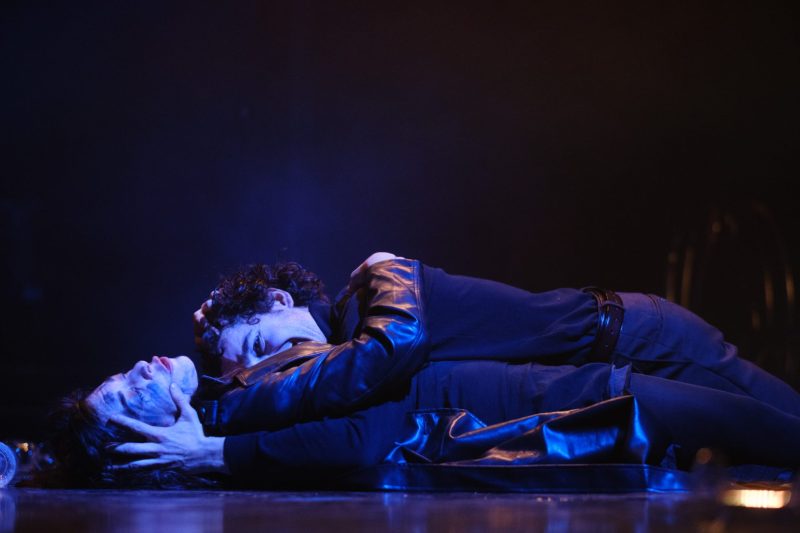
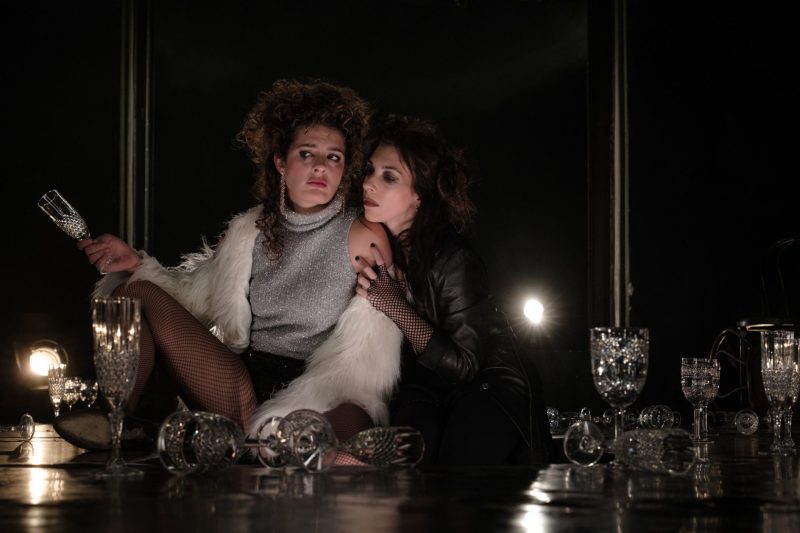
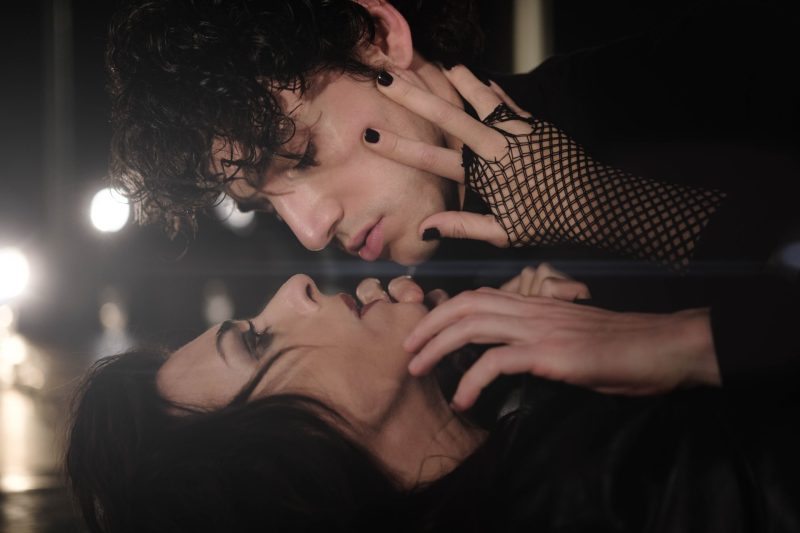
Director’s Note
Great icon painters, as well as many major and minor contemporary Greek painters, devoted their lives to painting the same subjects over and over again. This was not due to a lack of inspiration—quite the contrary! Each attempt implies the assumption that the essence we seek in things cannot be grasped.
The expression “by hand,” which has become very fashionable lately, means that each of our descents into the greatest and highest things can only be guided by the hand of God, and not that the creator is himself a minor deity. This is precisely the difference between East and West. Humility and acceptance of mortality, as opposed to the narcissistic grandeur of the West and its constant tendency to touch the divine with sharp, towering church spires that arrogantly pierce the gray skies.
So, the decision to revisit Sophocles’ Electra, guided by our wonderfully arbitrary first rehearsals in Poreia Theatre, should not be interpreted as anything other than an acknowledgment of the abyssal depth of this work, which invites us to explore it. I am convinced that tragedy should not be turned into a tourist attraction, negating the great benefit it can offer us if we come into contact with its deeper spirit, which, by an unexpected stroke of luck, many Greeks have alive within us!
The admirable dedication and absolute silence of the audience at all of our performances in open-air theatres in Greece and Cyprus reminded us that how a tragedy performance and the rendering of its spirit will always be judged not by philologists or experts of any kind, but by whether it can awaken within us the exaltation of passion, divine ecstasy, and the reconciliation of all the pleasures and pains of life that the poet has the power to give to the world.
Dimitris Tarlow
Cast (by alphabetical order)
Pedagogue: Konstantinos Avarikiotis
Orestes: Konstantinos Zografos
Chrysothemis: Grigoria Metheniti
Electra: Loukia Michalopoulou
Clytemnestra: Aglaia Pappa
Pylades: Periklis Siountas
Aegisthus: Dimitris Tarlow
A Woman: Eleni Vlachou,
A Woman: Ioanna Lekka
Musician on stage: Tasos Mysirlis
Creative Team
Translation: Giorgos Chimonas
Direction: Dimitris Tarlow
Sets & Costumes: Paris Mexis
Music Composition: Fotis Siotas
Lighting Design: Alekos Anastasiou
Choreography: Markella Manoliadi
Associate Dramaturg: Eri Kyrgia
Sound Design: Ilias Flammos
Assistants to the Director: Dimitra Koutsokosta, Aristi Tselou
Assistant to the Set and Costumes Designer: Despoina – Maria Zachariou
Assistant Choreographer: Maro Stavrinou
Assistants to the Lighting Designer: Haris Dallas, Nafsika Christodoulakou
Make-Up Design: Olga Faleichyk
Hair Design: Thomas Galazoulas
Photos: Patroklos Skafidas
Trailer: Thomas Palivos
Documentary Film: Foivos Immelos